


Cart
Your shopping cart is empty!
It's never too late to make things right :)


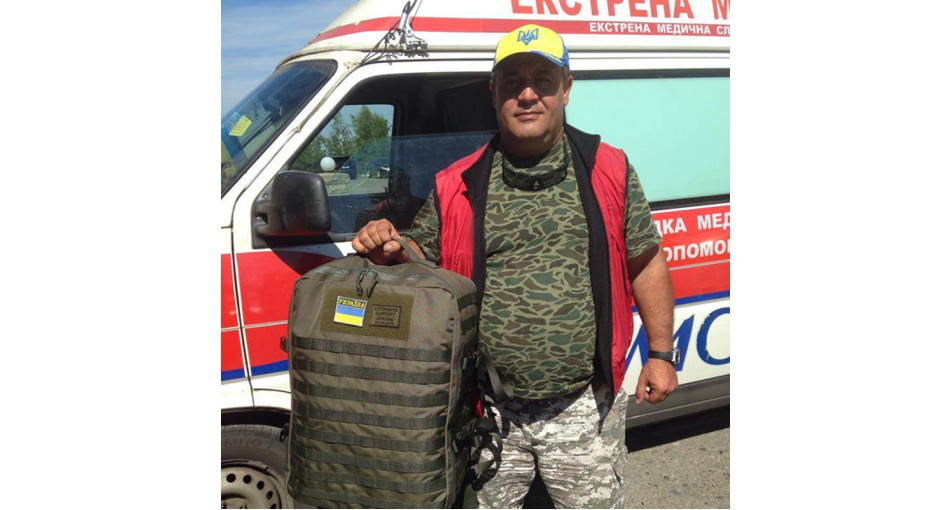
The Cabinet of Ministers of Ukraine, by its resolution of January 5, 2017, approved the new content of medicines in the backpack of a military orderly and military medical instructor. It includes 56 different items and we will talk about each in more detail.
The group of medicines: tranexamic acid 100 mg / ml 5 ml. These medicines are used for injections to prevent major blood loss. Sodium chloride 0.9% 400ml (or 500ml). This is a solution for droppers in polymer bags. Helps to replenish lost fluid. Hydroxyethyl starch 6% 400ml (500ml). Solution for infusions in polymer bags. This drug is used to replenish plasma in case of major blood loss. To reduce body temperature, paracetamol 500mg in tablets was put in the first-aid kit. As an antibacterial and antiviral drug, you will find ciprofloxacin 500 mg and meloxicam 7.5 mg, respectively. The painkiller provided in the first-aid kit is nalbuphine hydrochloride in 10 mg/ml tablets and a 1 ml syringe for intravenous administration of the drug. Dexketoprofen 25 mg/ml 2 solution is also an anti-inflammatory drug. Dexamethasone in the first-aid kit is designed to act as a fast-acting steroid drug. It often happens that people eat unsanitary food without washing their hands or food, so to eliminate diarrhea, loperamide hydrochloride was put in the first-aid kit, and to put the stomach in order, activated charcoal was added to the list. Also, to eliminate nausea and as an anesthetic in the backpack, the sanitor should have ondansetron hydrochloride. Chlorhexidine biglucanate in the first-aid kit is needed to wash wounds and other skin lesions. As you can see, the medical instructor should have a lot of antimicrobial drugs, and the effective sodium sulfacil has also been added to this list.
To the group of dressings and suture materials The Cabinet of Ministers has ordered the purchase of the following items: an individual dressing package, chemicals to stop bleeding. A gauze bandage is provided for dressing wounds, and for these purposes you can also use a medical bandage, a scarf, and an elastic bandage (which can be used to cover and bandage a hydrogel bandage, etc.). To close wounds from dirt, you need to use a non-woven adhesive plaster. If a person has an open chest injury, then in the list of items you will find an occlusive thoracic sticker to prevent pneumothorax. You can also use a hydrogel bandage for burns.
Disposable medical items include: examination gloves, injection syringes of various volumes (5,10,15 ml). Infusion system (dropper). Also, for the convenience of administering drugs into a vein, catheters of various sizes (16G, 18G, 20G) were placed. To warm the person, a thermal blanket was added to the backpack. To maintain the sterility of hands and wounds, alcohol wipes and sterile gauze wipes are provided. Surgical instruments are represented by a puncture needle for decompression of the pleural cavity, mechanical tourniquets for stopping blood. To firmly fix the victim's neck, there is a neck fixator in the backpack. And for fractures, special universal-sized splints were provided. For the convenience of removing clothes and shoes from the victim, you can use scissors. Often, the airways of the wounded can become clogged, to prevent this, the first-aid kit included: a medical suction unit, an Amba bag with a mask for air circulation in the lungs, oral and nasopharyngeal airways of various sizes. The medical equipment included special straps (evacuation slings), a soft stretcher, a medical flashlight for diagnostics, a waterproof marker for applying the necessary information, a card of the injured soldier, stretch film for food and reinforced tape.


